
Camper Van Build Guide: The Gear That Makes a Van Livable
A camper van build guide by system: heat, ventilation, toilet, fridge, insulation, racks and safety, with the figures that decide each choice and links to the picks.
Affiliate disclosure: product links on this page go to Amazon or to the maker's own store. As an Amazon Associate we earn from qualifying purchases, at no extra cost to you; links to makers' own stores earn us nothing. No retailer or brand sees our picks before they are published or has any say in them. How we choose.
A livable van needs six systems: heat, ventilation, a toilet, cold storage, insulation, and a way to carry gear, plus a carbon monoxide alarm and a payload check before you start. Choose them in that light: an insulated van needs a smaller heater, a composting toilet needs a vent, and everything you add counts against the payload on the door placard.
The systems
| System | Typical choice | The figure that decides it | Guide |
|---|---|---|---|
| Heat | Installed diesel heater | Fuel use: Webasto 0.12 to 0.24 L/h for 0.9 to 2.0 kW | Diesel heaters |
| Ventilation | 14 in roof fan | MAXXAIR: up to 900 CFM on 10-speed Deluxe models | Roof fans |
| Toilet | Composting | Nature's Head: 60 to 80 solids uses | Composting toilets |
| Cold storage | 12V compressor fridge | Dometic CFX3 45: 1.03 Ah per hour | 12V fridges |
| Insulation | Foam board and Thinsulate | DOE: XPS R-5.0 per inch | Insulation |
| Gear | Roof rack and ladder | Owner's manual roof limit | Roof racks |
Safety first
The CPSC says to install a carbon monoxide alarm that meets UL 2034 and never to use portable fuel-burning camping equipment inside a vehicle. Read carbon monoxide safety in a van before the first night with a heater.
Weight
Federal rules require a placard, usually on the driver's side B-pillar, stating that the combined weight of occupants and cargo should never exceed a set figure. The build is cargo. Check it with the payload calculator.
Order of work
Cut holes first, insulate, then wire and fit out: see van build order.
Frequently asked questions
What do you need for a camper van build?
Heat, ventilation, a toilet, a fridge, insulation and a way to carry gear, plus a carbon monoxide alarm and a payload check.
What should I do first in a van build?
Plan the layout and weight, then cut the roof fan and window holes before insulating, so you only insulate once.
Do I need a carbon monoxide alarm in a camper van?
Yes, if anything burns fuel. The CPSC recommends a CO alarm that meets UL 2034 and notes CO alarms are available for RVs.
How much weight can a van build add?
Whatever is left after occupants on the door placard's limit for occupants and cargo. The payload calculator adds it up.
What is the best heater for a van?
An installed diesel heater, sized to your heat loss. Webasto's 2 kW Air Top 2000 STC uses 0.12 to 0.24 L/h.
Sources
- Carbon Monoxide Questions and Answers, U.S. Consumer Product Safety Commission
- 49 CFR 571.110: Tire selection and rims and load carrying capacity information (FMVSS 110), Legal Information Institute (Cornell Law School)
- Webasto Air Top 2000 STC, Webasto
- Energy Renovations: Insulation, A Guide for Contractors to Share with Homeowners (PNNL-20972), U.S. Department of Energy
- Nature's Head Composting Toilet, Nature's Head
- MAXXFAN Deluxe, MAXXAIR
- Dometic CFX3 45, Dometic
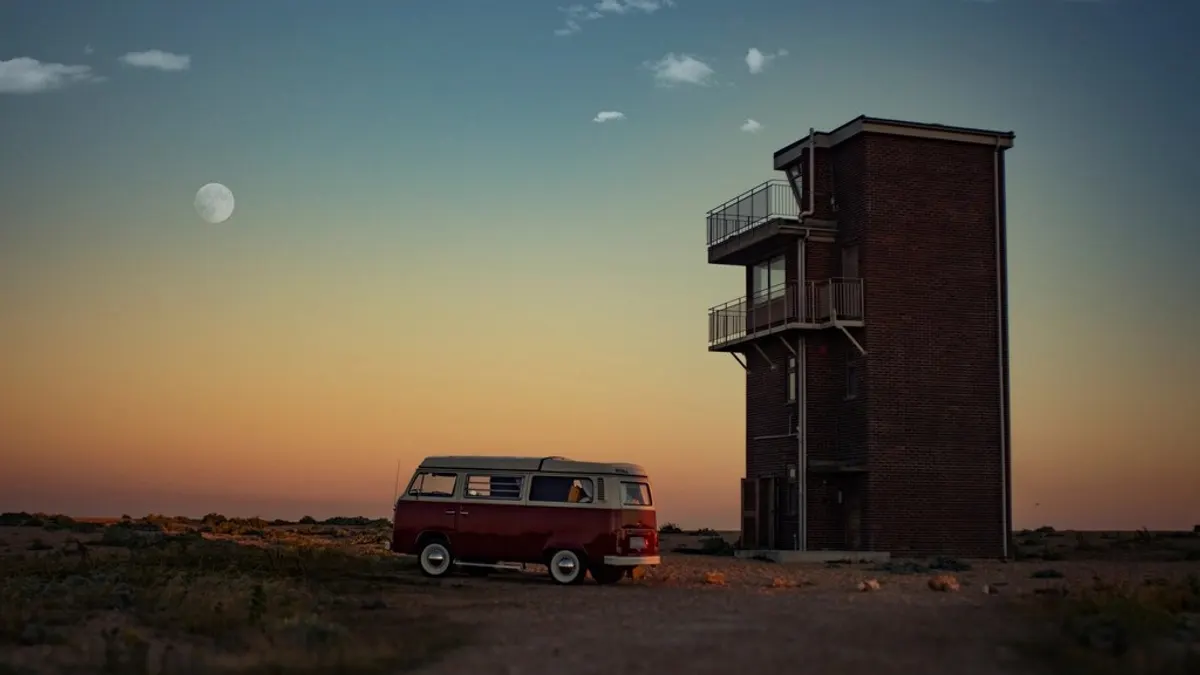
Cover photo: Campervan parked next standalone building, CC0 1.0, via rawpixel. Cropped.
Related guides

Best Carbon Monoxide Detectors for Vans in 2026
CO alarms for vans with heaters, stoves or generators nearby.
Carbon Monoxide Safety in a Van: Heaters, Stoves and Generators
Where CO comes from in a van, and how to keep it out.

Van Build Order: What to Install First
A sequence that avoids doing anything twice.